
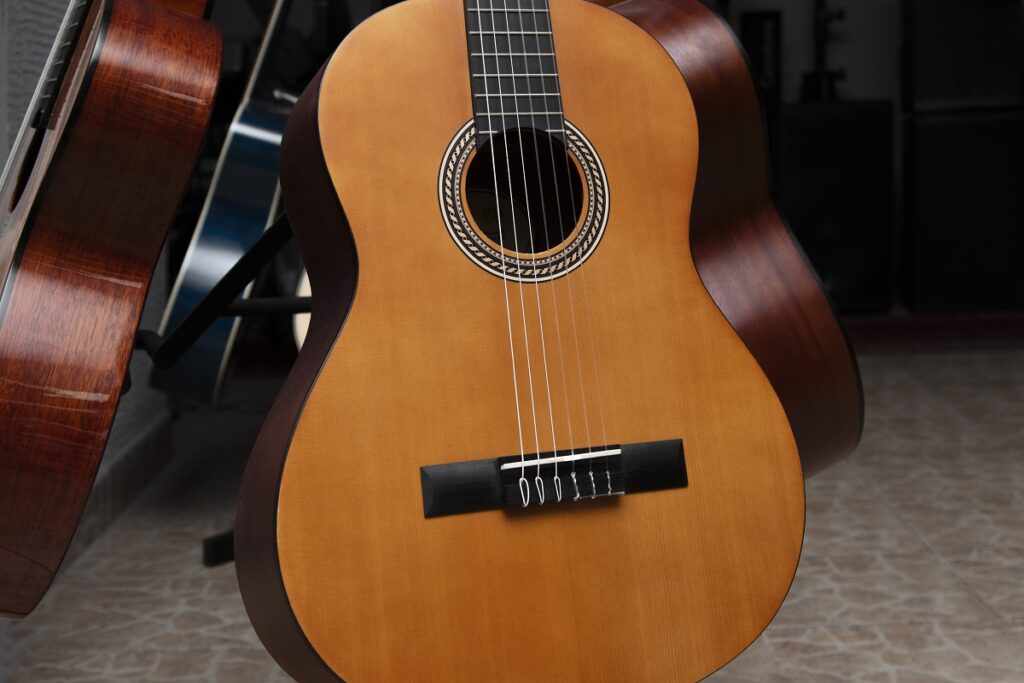
When it comes to crafting the perfect sound for your guitar, one of the most crucial and often overlooked aspects is the selection of the right tonewood. Whether you’re a seasoned player or a beginner picking out your first instrument, understanding how different tonewoods impact your sound can make a world of difference. With a variety of tonewoods for sale in today’s market, choosing the right one for your music genre can enhance your playing experience and elevate your sound to new heights.
Table of Contents
In this guide, we’ll explore the most common types of tonewoods, how they influence tonal characteristics, and how to align them with your preferred musical style. We’ll also discuss where to find reliable options if you’re searching for guitar tonewoods for sale or a reputable tonewood supplier.
Understanding Tonewoods and Their Importance
Tonewoods are specific types of wood selected for their acoustic properties and are used in the construction of musical instruments, particularly guitars. They influence everything from resonance and sustain to tonal balance and projection. Whether you’re crafting a guitar or buying a pre-made one, the tonewood can dramatically affect your instrument’s voice.
Different parts of the guitar — such as the top, back, sides, neck, and fretboard — may be made from different types of wood, each contributing to the overall tone. Visiting a specialized tonewood shop or working with an experienced guitar wood supplier can help you identify the right materials for your build or modification.
Popular Tonewoods and Their Sonic Profiles
Here’s a breakdown of common tonewoods used in guitars and how they typically influence sound:
Mahogany
Mahogany is a dense wood known for its warm, rich, and resonant tone with a strong midrange presence. It’s often used in blues, jazz, and rock genres because of its earthy, mellow characteristics. It also offers excellent sustain and a slightly compressed dynamic range, making it forgiving and full-bodied.
Spruce
Spruce, particularly Sitka spruce, is a favorite for guitar tops due to its strength and elasticity. It delivers a bright, clear tone with excellent projection and dynamic range. It’s a go-to tonewood for players in genres like folk, pop, and acoustic rock.
Rosewood
Rosewood is commonly used for guitar backs and sides. It has a broad tonal range with strong bass response and bright trebles, making it ideal for intricate fingerstyle and classical music. Its rich overtones and deep resonance also make it a luxurious choice.
Maple
Maple is known for its bright, articulate sound with a quick decay. It’s perfect for genres that require note separation and clarity, such as country and bluegrass. The striking grain also makes it a visually appealing option.
Cedar
Cedar has a soft, warm tone and responds well to a light touch, which makes it a favorite for classical and fingerstyle guitarists. It offers a quick response and a sweet, mellow sound that lends itself well to lyrical playing.
Koa
Koa is a Hawaiian wood prized for its beauty and unique tonal properties. It combines the warmth of mahogany with the brightness of maple. It’s excellent for a range of styles, from acoustic pop to traditional Hawaiian music, offering versatility and aesthetic appeal.
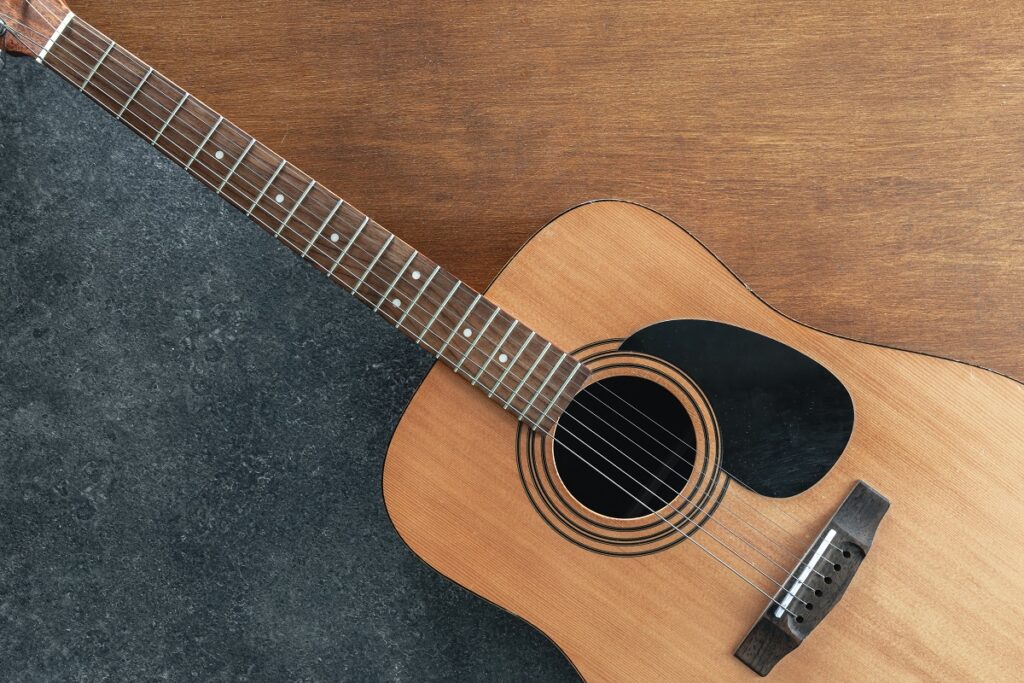
Matching Tonewoods to Music Genres
Choosing the right tonewood for your genre is a critical decision, especially if you’re customizing your instrument or selecting from various tonewoods for sale. Here’s how to match tonewoods to your musical preferences:
Rock and Blues
For rock and blues players, mahogany is a top contender. It enhances sustain and gives solos a thick, creamy character. Pairing it with a maple top can also add a bit of brightness and bite, perfect for cutting through a mix.
Folk and Acoustic
Spruce tops with rosewood or mahogany backs and sides offer the perfect combination of clarity, warmth, and projection for folk and acoustic music. These combinations deliver balanced tones ideal for strumming and fingerpicking.
Classical and Fingerstyle
Cedar tops paired with rosewood sides and backs produce rich, expressive tones with strong overtones and quick responsiveness. These combinations allow for expressive dynamics and nuance that are essential for classical and fingerstyle performances.
Country and Bluegrass
Maple’s clarity and fast attack make it ideal for the rapid picking and intricate melodies of country and bluegrass. A maple back and sides with a spruce top ensure crisp note definition and volume.
Jazz
Jazz players often prefer warm, smooth tones with complex harmonics. Mahogany or cedar paired with rosewood provides the mellow soundscapes and tonal depth jazz guitarists love.
Where to Buy the Right Tonewood
Finding the right tonewood for guitars isn’t just about picking the right species — it’s also about sourcing quality material. Shopping at a dedicated tonewood shop ensures that you get premium, instrument-grade wood that’s been properly cured and cut. These shops typically offer a wide variety of tonewoods for sale, from domestic options like maple and walnut to exotic choices like koa and bubinga.
A reputable guitar tonewood supplier will also provide detailed information about the origin, moisture content, and grading of the wood. If you’re building or customizing a guitar, a knowledgeable guitar wood supplier can offer valuable advice tailored to your genre and playing style.
Online platforms and specialty retailers have made it easier than ever to access high-quality tonewoods for sale. Look for suppliers who specialize in acoustic and electric guitar woods and who have a good reputation among luthiers and musicians.
Tips for Choosing the Right Tonewood
- Play Before You Buy: If possible, play guitars made with the tonewoods you’re considering. It’s the best way to understand their tonal impact.
- Consider the Whole Build: The top, back, sides, neck, and even bracing all contribute to the guitar’s sound. Consider how different combinations interact.
- Think Long-Term: Some woods, like koa and rosewood, open up and improve with age and playing. Consider how the tone might evolve over time.
- Work with Experts: Whether you’re visiting a tonewood shop or buying online, consult with the tonewood supplier about your needs. They can offer valuable insight based on experience and inventory.
- Match Your Play Style: A soft player might benefit from cedar’s responsiveness, while a heavy strummer might prefer the dynamic headroom of spruce.
FAQs
What is the best tonewood for beginners?
For beginners, a guitar with a spruce top and mahogany back and sides offers a great balance of tonal clarity and warmth. These tonewoods are commonly available and offer versatile sound across genres.
Where can I find quality guitar tonewoods for sale?
You can find quality options at a online guitar wood supplier or through a reputable specialized tonewood shop. Look for sellers who provide grading information and sourcing transparency.
How do I know which tonewood suits my genre?
Consider your genre’s tonal needs — warm and mellow for jazz, bright and punchy for bluegrass. Test guitars with different woods or consult a tonewood supplier for advice tailored to your style.
Are exotic tonewoods better than traditional ones?
Not necessarily. While exotic tonewoods like koa or ziricote can offer unique visual and tonal features, traditional woods like mahogany, spruce, and rosewood are time-tested for performance and reliability.
Can I mix different tonewoods on one guitar?
Yes, combining different woods for the top, back, and sides is common. This allows luthiers to blend tonal characteristics for a balanced and personalized sound. A tonewood shop can guide you in creating the perfect combo.
If you’re serious about crafting or purchasing the perfect instrument, selecting the right tonewood for your genre is a step you can’t afford to skip. Whether you’re exploring tonewoods for sale or planning a custom build, let your music guide your choices and seek support from experienced tonewood professionals to ensure your sound is truly your own.