
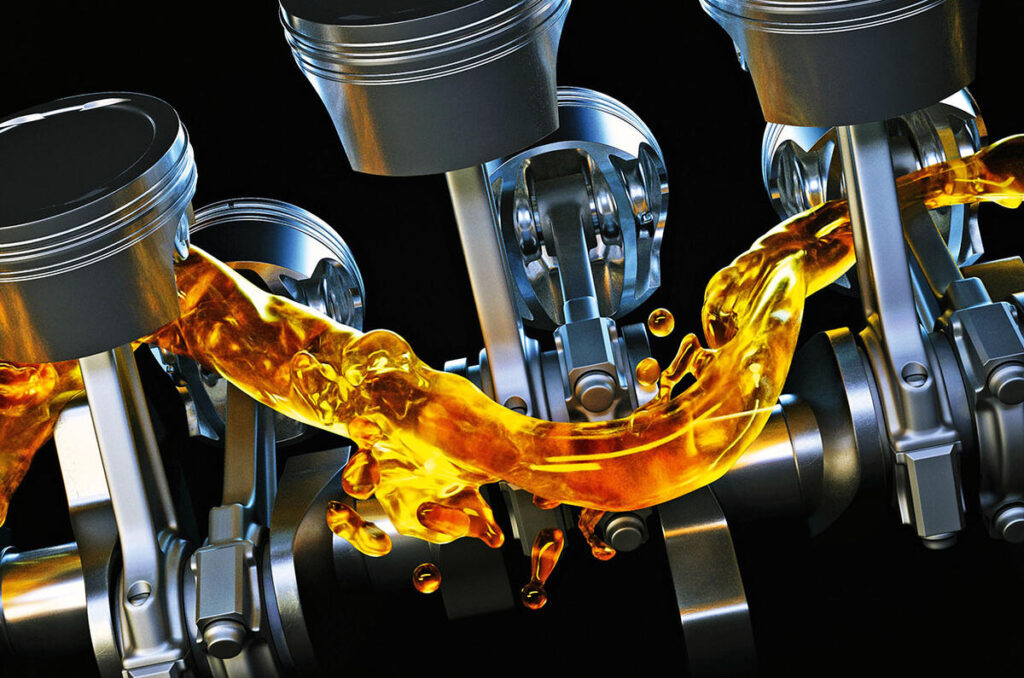
In industries where machinery, vehicles, and equipment operate daily under demanding conditions, lubricants are critical for smooth and efficient performance. From manufacturing to logistics, these fluids help reduce wear, minimize energy loss, and extend equipment life. However, inefficient management of lubricant needs can lead to overspending, unexpected downtime, and waste.
Table of Contents
- Why Bulk Lubricants Matter in Cost Control
- The Role of Smart Inventory Planning
- Working with Lubricant Distributors: A Strategic Advantage
- Avoiding Hidden Costs Through Better Lubrication Management
- Case Study Example: Manufacturing Plant Savings
- Tips for Effective Bulk Lubricant Implementation
- Frequently Asked Questions (FAQs)
- Is buying bulk lubricants suitable for small businesses?
- How do I choose the right lubricant supplier?
- What are high performance lubricants, and are they worth the cost?
- How do industrial lubricant distributors differ from regular suppliers?
- What safety measures are required when storing bulk lubricants?
- Final Thoughts
One of the most effective strategies to tackle this challenge is investing in bulk lubricants coupled with smart inventory planning. This approach can dramatically lower operational costs, optimize supply chains, and enhance maintenance efficiency.
Why Bulk Lubricants Matter in Cost Control
Ordering bulk lubricants—as opposed to purchasing smaller containers or retail quantities—provides significant advantages for businesses that use lubricants regularly. Here’s how:
1. Lower Cost Per Unit
Bulk purchasing allows companies to obtain lubricants at a reduced per-liter or per-gallon price. When purchased in large quantities, lubricant suppliers and manufacturers often offer discounts, further reducing overall costs.
2. Reduced Packaging and Handling Waste
Ordering in bulk means fewer containers, packaging materials, and shipment fees. This not only supports sustainability efforts but also cuts down on disposal and storage expenses.
3. Improved Supply Security
Having a steady supply of high performance lubricants on-site ensures uninterrupted operations. This is particularly beneficial for industries where downtime leads to revenue loss.
The Role of Smart Inventory Planning
While buying in bulk saves money, smart inventory planning is essential to avoid overstocking, spoilage, or lubricant degradation. An effective inventory management strategy includes:
1. Usage Forecasting
Analyze past consumption patterns to predict future lubricant needs. This helps in ordering the right quantity at the right time, reducing the risk of surplus or shortage.
2. Storage Optimization
Proper storage of oil lubricants—in temperature-controlled environments and sealed containers—prevents contamination and prolongs product life.
3. Automated Monitoring Systems
Use digital tools such as IoT sensors and inventory software to track lubricant levels in real time. This data supports timely reordering and prevents overstocking.
4. Vendor Collaboration
Work closely with your lubricant distributor or industrial lubricant distributors to establish supply agreements and auto-replenishment systems. This not only ensures consistency but can also lock in better pricing over time.
Working with Lubricant Distributors: A Strategic Advantage
Partnering with a reliable lubricant distributor can be a game-changer in your cost-reduction strategy. These professionals provide more than just products—they offer:
- Technical Expertise: Advising on the most suitable high performance lubricants for specific applications.
- Customized Delivery Schedules: Ensuring that bulk lubricants arrive in sync with your production cycle.
- Condition Monitoring Support: Assisting businesses in integrating predictive maintenance based on lubricant performance.
Top industrial lubricant distributors may also offer on-site training, product compatibility assessments, and long-term inventory planning services. They often provide technical documentation and performance tracking tools to ensure optimal lubricant use over time. Additionally, they assist in regulatory compliance by offering MSDS sheets and environmental impact insights tailored to your operations.

Avoiding Hidden Costs Through Better Lubrication Management
It’s important to recognize that the true cost of lubricants goes beyond the purchase price. Poor lubrication practices can lead to:
- Increased Equipment Wear and Tear
- Frequent Maintenance Downtime
- Unexpected Breakdowns
- Higher Energy Consumption
Using high performance lubricants tailored to your machinery, in the right quantities and intervals, directly contributes to equipment reliability and reduced operating costs. It also helps extend maintenance cycles, minimizing downtime and maximizing productivity across operations.
Case Study Example: Manufacturing Plant Savings
Consider a mid-sized automotive manufacturing facility that consumes large volumes of gear oil and hydraulic lubricants. By switching from case-based ordering to bulk lubricants and integrating inventory monitoring:
- They reduced lubricant spend by 15% through volume discounts.
- Downtime was cut by 22% due to better lubricant availability.
- Annual maintenance costs dropped by 10%, thanks to using better-suited lubricants.
These numbers highlight how a shift in procurement and inventory strategy can significantly affect the bottom line.

Tips for Effective Bulk Lubricant Implementation
- Audit Current Lubricant Use – Identify areas of overuse, misuse, or inefficiency.
- Choose Reputable Lubricant Suppliers – Look for those offering support, documentation, and quality guarantees.
- Train Maintenance Staff – Ensure personnel understand proper storage, handling, and application techniques to maintain optimal performance.
- Label Clearly and Track Lot Numbers – Prevent cross-contamination and easily track product lifecycles.
Frequently Asked Questions (FAQs)
Is buying bulk lubricants suitable for small businesses?
Yes, if your operations involve consistent lubricant use, buying in bulk—even at smaller thresholds—can lead to cost savings and better inventory control.
How do I choose the right lubricant supplier?
Look for suppliers with a strong industry reputation, a wide range of products, technical support, and reliable delivery. They should also be transparent about certifications and compliance standards.
What are high performance lubricants, and are they worth the cost?
High performance lubricants are engineered for superior thermal stability, oxidation resistance, and friction reduction. Though they may have a higher upfront cost, they significantly extend machinery life and reduce maintenance frequency.
How do industrial lubricant distributors differ from regular suppliers?
Industrial lubricant distributors specialize in serving large-scale and high-demand operations. They often provide more comprehensive services, including bulk delivery, inventory planning, technical consultation, and on-site storage support.
What safety measures are required when storing bulk lubricants?
Ensure proper ventilation, label clearly, maintain sealed containers, and store in cool, dry places away from ignition sources. Compliance with local safety regulations is also essential.
Final Thoughts
Switching to bulk lubricants and applying smart inventory planning is more than a cost-saving tactic—it’s a proactive strategy for long-term operational efficiency. By partnering with the right lubricant suppliers and investing in modern inventory systems, businesses can cut expenses, prevent disruptions, and elevate equipment performance. Whether you’re running a manufacturing plant, fleet operation, or construction site, effective lubrication management could be your competitive edge.
As industries face rising input costs, regulatory pressures, and increasing competition, optimizing every aspect of operations becomes essential. Streamlining your lubricant procurement process with trusted industrial lubricant distributors and aligning your usage with predictive planning tools empowers your business to operate smarter, not harder. When properly executed, this strategy delivers financial savings, operational resilience, and a stronger return on investment.