
Before a new car rolls off the factory floor, years are spent on conceptualizing, engineering, prototyping, and perfecting its design. An orderly mix of human and robotic hands brings this design to life on the assembly line. However, once that marvel of engineering is parked in your driveway, it’s not just a matter of enjoying it. Over time, every component will deteriorate, degrade, and eventually fail. If neglected, you could find yourself walking everywhere—perhaps alone, in the rain.
But this cautionary tale is avoidable. After website development Regular maintenance, like seasonal check-ups, topping up fluids, and caring for the tires, is crucial to keeping a car running smoothly.
Table of Contents
Websites are very similar in this regard.
After being designed, built, and launched a new website requires ongoing maintenance to stay secure and up-to-date. Neglecting this maintenance can lead to a range of issues:
Display Issues
Web browser updates can introduce new features or changes that affect how websites are rendered. These changes may cause your website’s layout or design to appear incorrectly or not load at all, potentially confusing or frustrating visitors. Such issues can lead to a loss of customer trust and, ultimately, a decline in organic traffic and business opportunities.
Malfunctioning Features
Important website features, such as lead forms and shopping carts, are critical for capturing customer information and facilitating transactions. If these elements malfunction, users may be unable to complete purchases or contact your business, leading to lost revenue and diminished user satisfaction. Regular testing and maintenance can prevent these issues and ensure a seamless user experience.
Security Risks
As new vulnerabilities are discovered, websites can become susceptible to hacking and data breaches if not properly maintained. Hackers can exploit these weaknesses to steal sensitive information, deface your website, or disrupt services. Such incidents can severely damage your business’s reputation and result in legal and financial consequences. Regular security updates and monitoring are essential to safeguard against these threats.
Outdated Content
Content that is not regularly updated can become irrelevant or inaccurate, potentially misleading visitors and undermining your authority. Outdated information can also negatively impact your search engine rankings, as search engines favor fresh, relevant content. Keeping your website’s content current and accurate helps maintain credibility and improves the user experience, encouraging visitors to return.
A comprehensive website maintenance plan ensures your website functions correctly, represents your business effectively, and handles leads and sales smoothly. Here’s what such a plan should include:
Security Updates
Ensure your website platform and server are always up-to-date with the latest security patches. Websites hosted by us are monitored daily, typically experiencing dozens of hacking attempts using known vulnerabilities. CMS platforms (like WordPress, Drupal, and Sitecore) and e-commerce systems (like Magento, WooCommerce, and OpenCart) require regular updates to patch bugs and vulnerabilities.
Always verify that your web hosting provider regularly updates their servers. If you manage your server, it’s essential to install these patches yourself.
Key Functionality Tests
Regularly test critical features such as lead forms, purchase funnels, and site searches to confirm they’re functioning correctly. Sometimes, patches applied by hosting companies can inadvertently break these features, leading to frustrated customers and lost business.
Analytics Tests
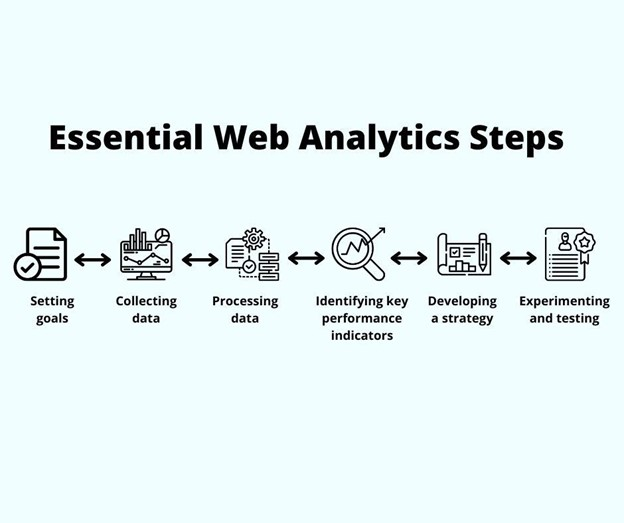
Ensure your website’s analytics tools are working correctly so you can track visitor behavior and understand which marketing strategies are effective. Without accurate analytics, your marketing efforts lack direction and insight.
New Browser Tests
Test your website with new browser versions as they are released. Updates to browsers like Chrome, Safari, and Edge can sometimes cause compatibility issues that break existing features on your site.
Content Review
Outdated content can frustrate users and negatively impact your search engine rankings. Search engines, including Google, favor sites that are regularly updated. Besides updating content, ensure your page titles and meta descriptions are current, and check for broken links that lead to nonexistent pages.
Recommended Maintenance Schedule
We suggest the following maintenance activities at monthly and quarterly intervals:
Monthly Checks
- Ensure CMS and e-commerce system security patches are current.
- Confirm web server patches are applied.
- Review security reports for potential issues.
- Verify daily backups are in place.
- Test the website in any newly released browsers.
- Test lead forms and email forms.
- Check that the site search function works correctly.
- Test shopping cart and checkout processes.
- Ensure key functionality operates as intended.
- Verify Google Search Console shows no indexing issues.
- Identify and resolve 404 errors and broken links.
- Confirm content on main landing pages is up-to-date.
- Check that traffic, events, and goals are tracked in analytics.
Quarterly Checks
- Optimize any outstanding images.
- Ensure the SSL certificate is valid and renewed as needed.
- Check that server disk space and resources are within acceptable limits.
- Update meta titles and descriptions.
- Review the user experience for potential improvements.
- Renew the domain name if expiring within the next 12 months.
In Closing
By staying on top of website maintenance—or hiring a professional to do it for you—you can keep your website running like new long after the initial launch. Just as regular car maintenance extends the life of your vehicle, regular website maintenance ensures a smooth, secure, and successful online presence.
FAQs
Why is regular website maintenance important?
Regular website maintenance is essential to keep your website secure, functional, and up-to-date. Neglecting it can lead to display issues, malfunctioning features, security risks, outdated content, and a poor user experience, all of which can negatively impact your business.
What types of issues can arise if website maintenance is neglected?
Neglecting website maintenance can result in display issues, malfunctioning features (like lead forms or shopping carts), security vulnerabilities, outdated content, and broken links. These issues can lead to lost revenue, decreased traffic, and damage to your brand’s reputation.
How often should I update my website’s security?
It’s important to update your website’s security regularly—ideally every month. This includes applying security patches to your CMS, server, and e-commerce platform. Regular security updates help protect your site from hacking attempts and data breaches.
What should a comprehensive website maintenance plan include?
A comprehensive maintenance plan should include security updates, key functionality tests (like forms and shopping carts), web analytics checks, compatibility testing with new browsers, and regular content updates. This ensures your site remains secure, functional, and relevant.
What is the recommended maintenance schedule for my website?
Monthly checks should include security patch updates, testing key functionality, reviewing analytics, and checking for broken links. Quarterly maintenance tasks include optimizing images, renewing SSL certificates, and reviewing the user experience. Regular maintenance helps prevent issues and improves your site’s performance.